Smoked Gaze
1 credit per creation
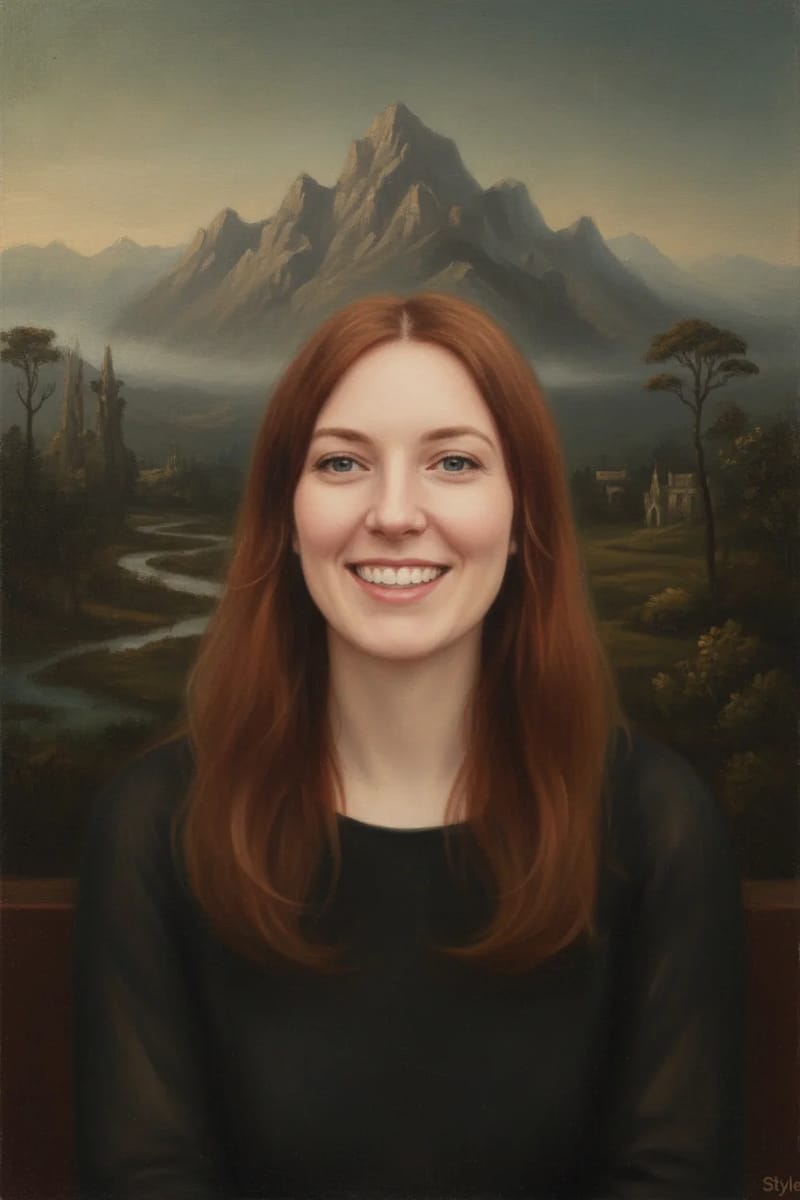
Unveil a timeless mystery. The 'Smoked Gaze' style lends your photo a soft, hazy atmosphere, blending colours and contours with the subtle, smoky transitions of a Renaissance master. [Inspired by Leonardo da Vinci]
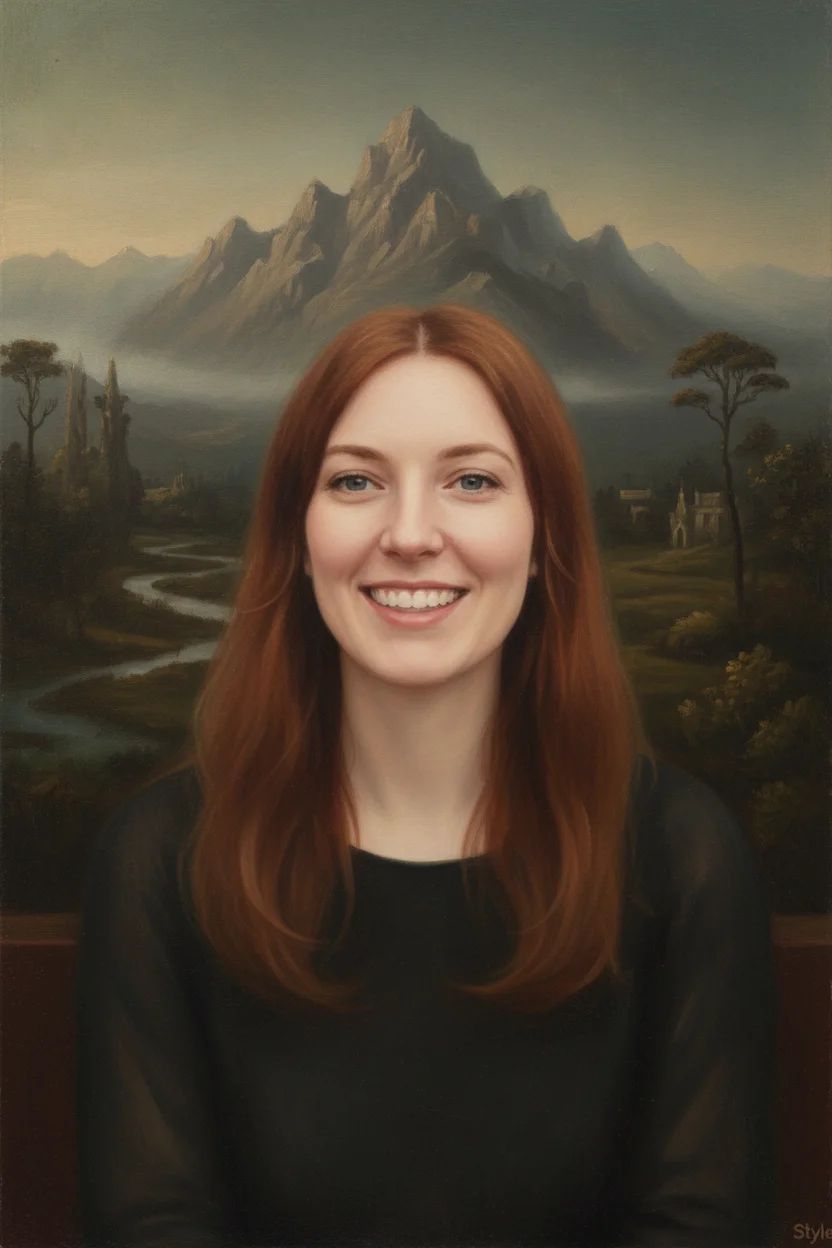

Before
After
This style is a direct application of sfumato, a masterful technique perfected during the High Renaissance by its foremost innovator, Leonardo da Vinci. The term, derived from the Italian for ‘smoked’ or ‘evaporated’, describes its visual effect: the art of rendering contours and edges without any harsh lines. Instead, tones and colours are blended with imperceptible subtlety, transitioning into one another like fine smoke. This was a profound innovation that moved beyond the sharp, linear precision of the Early Renaissance to achieve an unprecedented level of atmospheric realism.
Leonardo’s genius was in understanding that the human eye does not perceive the world in outlines. He used sfumato—often applying dozens of gossamer-thin layers of paint-to create a more faithful illusion of depth and volume. This technique is most famously responsible for the captivating ambiguity of his portraits, such as the Mona Lisa, where the corners of the mouth and eyes are deliberately softened, leaving the subject’s expression enigmatic and open to interpretation. The 'Smoked Gaze' style employs this same philosophy, softening the hard digital precision of your photograph to bathe the subject in a hay, unified atmosphere that feels both lifelike and profoundly mysterious.
1 credit per creation
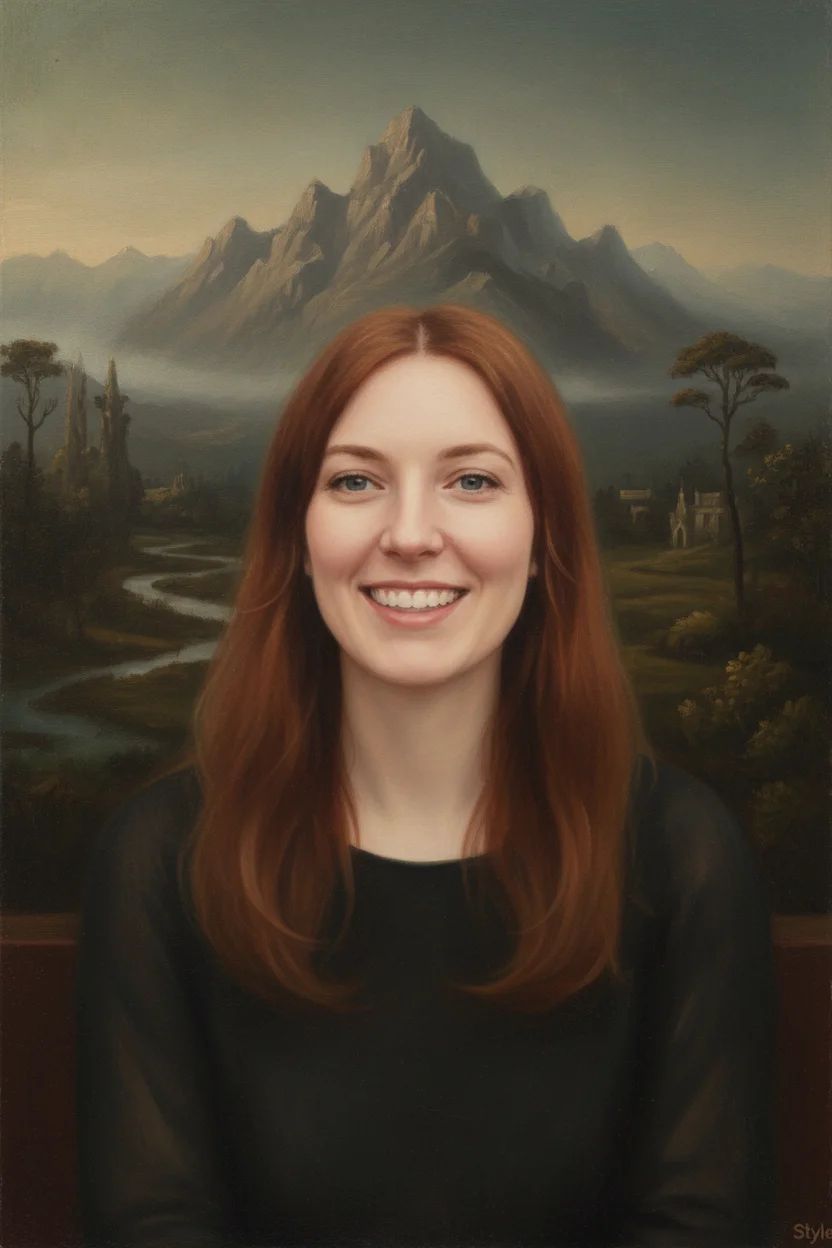
Unveil a timeless mystery. The 'Smoked Gaze' style lends your photo a soft, hazy atmosphere, blending colours and contours with the subtle, smoky transitions of a Renaissance master. [Inspired by Leonardo da Vinci]
This style is a direct application of sfumato, a masterful technique perfected during the High Renaissance by its foremost innovator, Leonardo da Vinci. The term, derived from the Italian for ‘smoked’ or ‘evaporated’, describes its visual effect: the art of rendering contours and edges without any harsh lines. Instead, tones and colours are blended with imperceptible subtlety, transitioning into one another like fine smoke. This was a profound innovation that moved beyond the sharp, linear precision of the Early Renaissance to achieve an unprecedented level of atmospheric realism.
Leonardo’s genius was in understanding that the human eye does not perceive the world in outlines. He used sfumato—often applying dozens of gossamer-thin layers of paint-to create a more faithful illusion of depth and volume. This technique is most famously responsible for the captivating ambiguity of his portraits, such as the Mona Lisa, where the corners of the mouth and eyes are deliberately softened, leaving the subject’s expression enigmatic and open to interpretation. The 'Smoked Gaze' style employs this same philosophy, softening the hard digital precision of your photograph to bathe the subject in a hay, unified atmosphere that feels both lifelike and profoundly mysterious.
Before
After
CollectionAesthetic
Use Count1 credits
PublishedJun 21, 2025
Created by