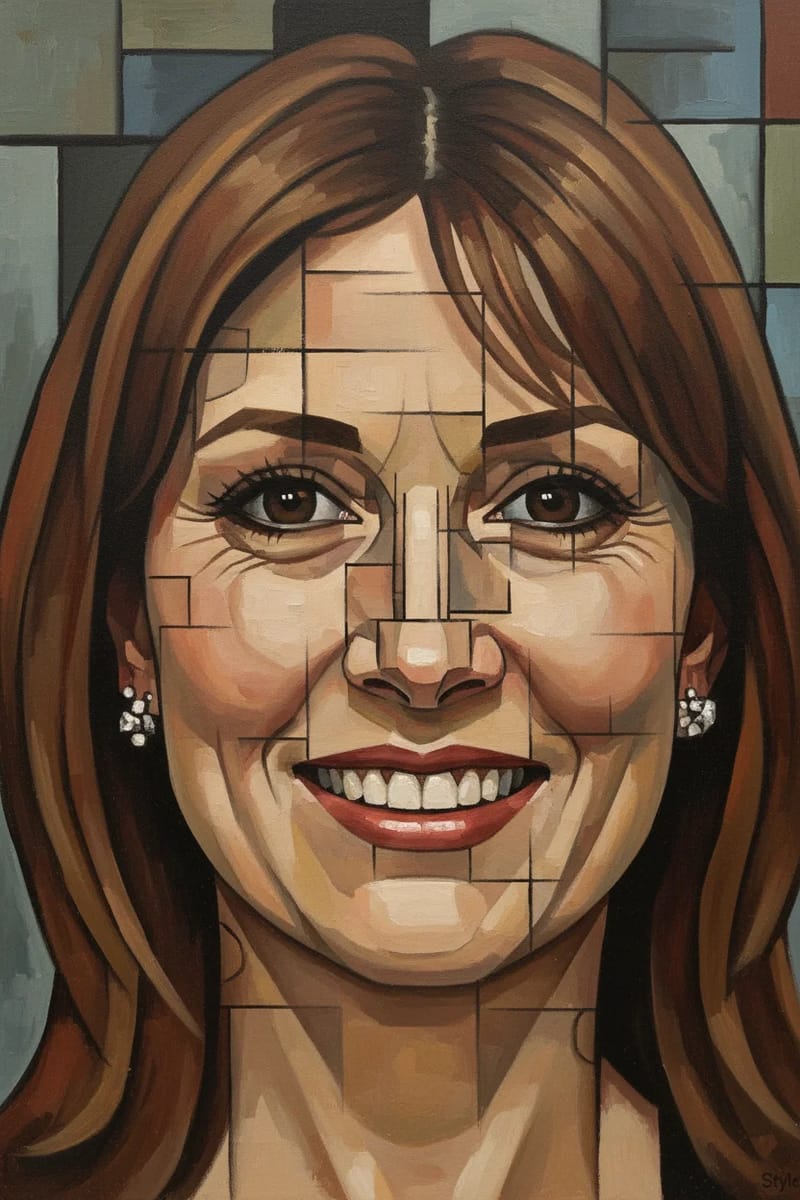
Fragmented View
1 credit per creation
See from every angle at once. The 'Fragmented View' style deconstructs your photo into geometric forms, reassembling it to show multiple perspectives in the revolutionary spirit of Cubism. [Inspired by Pablo Picasso]

Before
After
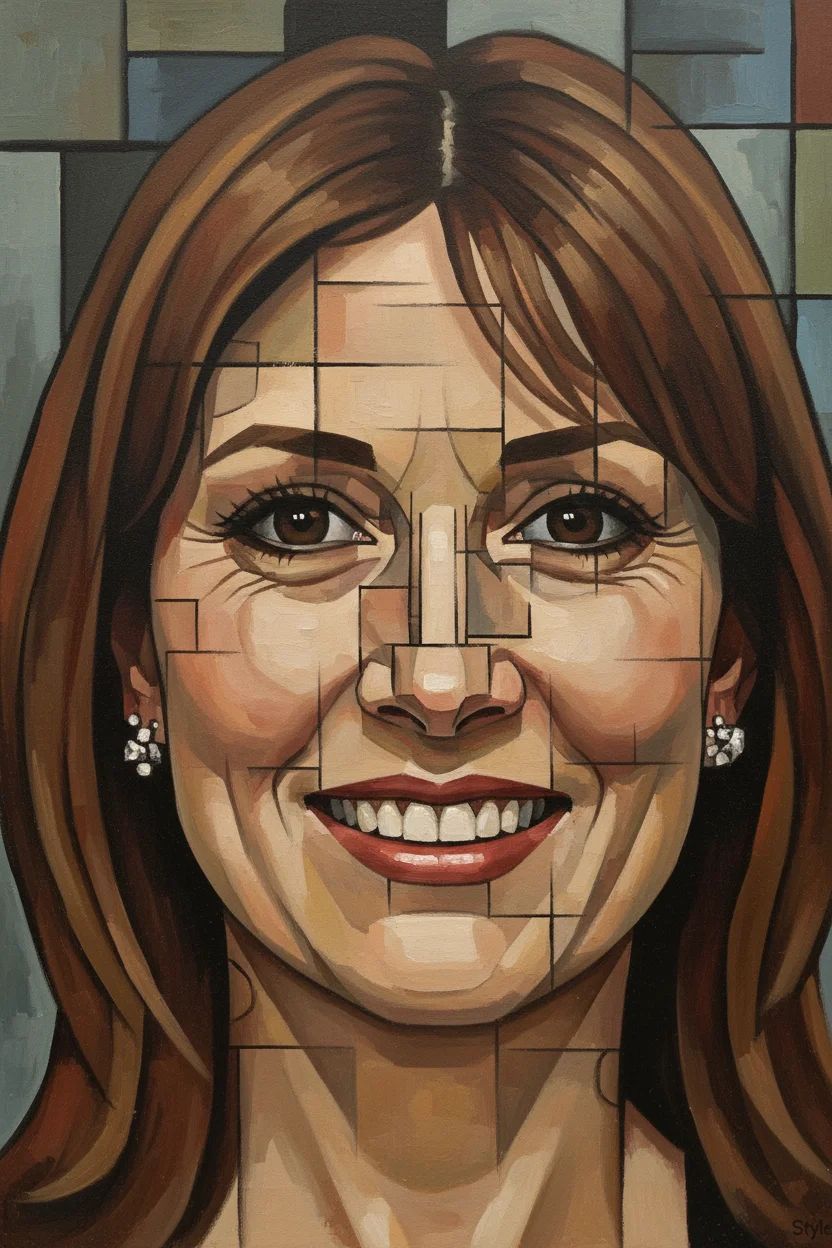
This style finds its creative origins in Cubism, arguably the most influential art movement of the 20th century. Pioneered by artists like Pablo Picasso and Georges Braque, Cubism was a radical break from five centuries of artistic tradition. It fundamentally challenged the concept of single-point perspective—the idea that a painting should capture a scene from one fixed viewpoint, just as a camera does The Cubists argued this was a lie; our experience of reality is dynamic. We see objectives by moving around them, gathering multiple perspectives over time.
To capture this more complex, ‘truer’ reality, the Cubists deconstructed their subjects into geometric “facets” or “planes” and reassembled them on the canvas, presenting multiple angles simultaneously. This ‘Fragmented View’ style applies that same intellectual process to your image. It fractures the subject into geometric shapes, not for the sake of chaos, but to analyse its underlying form. The muted, earthly palette often associated with early Analytical Cubism is also employed, focusing attention on this complex structure rather than on emotional colour. The result is not just an abstracted image, but a complete conceptual re-imagining of your subject—a portrait seen from every angle at once.
1 credit per creation
See from every angle at once. The 'Fragmented View' style deconstructs your photo into geometric forms, reassembling it to show multiple perspectives in the revolutionary spirit of Cubism. [Inspired by Pablo Picasso]
This style finds its creative origins in Cubism, arguably the most influential art movement of the 20th century. Pioneered by artists like Pablo Picasso and Georges Braque, Cubism was a radical break from five centuries of artistic tradition. It fundamentally challenged the concept of single-point perspective—the idea that a painting should capture a scene from one fixed viewpoint, just as a camera does The Cubists argued this was a lie; our experience of reality is dynamic. We see objectives by moving around them, gathering multiple perspectives over time.
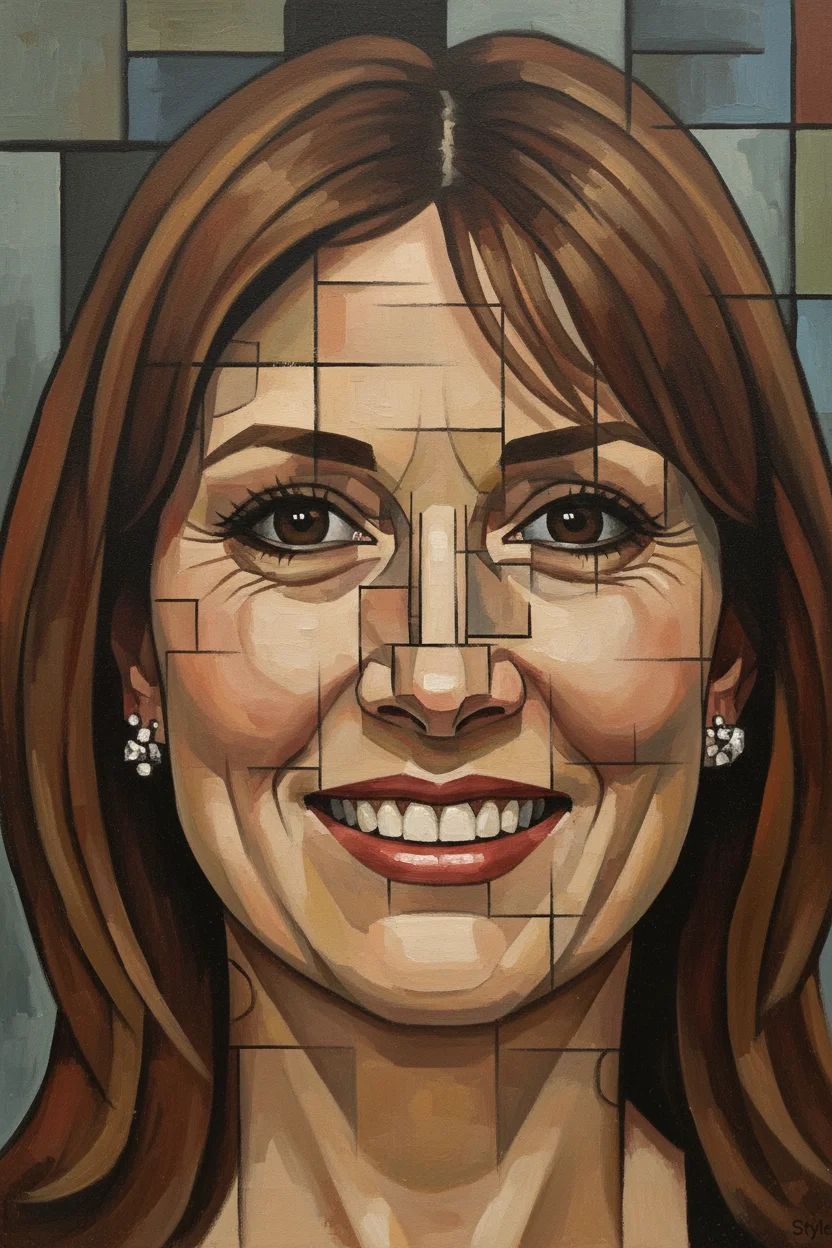
To capture this more complex, ‘truer’ reality, the Cubists deconstructed their subjects into geometric “facets” or “planes” and reassembled them on the canvas, presenting multiple angles simultaneously. This ‘Fragmented View’ style applies that same intellectual process to your image. It fractures the subject into geometric shapes, not for the sake of chaos, but to analyse its underlying form. The muted, earthly palette often associated with early Analytical Cubism is also employed, focusing attention on this complex structure rather than on emotional colour. The result is not just an abstracted image, but a complete conceptual re-imagining of your subject—a portrait seen from every angle at once.
Before
After
CollectionAesthetic
Use Count1 credits
PublishedJun 21, 2025
Created by