Galactic Saga
1 credit per creation
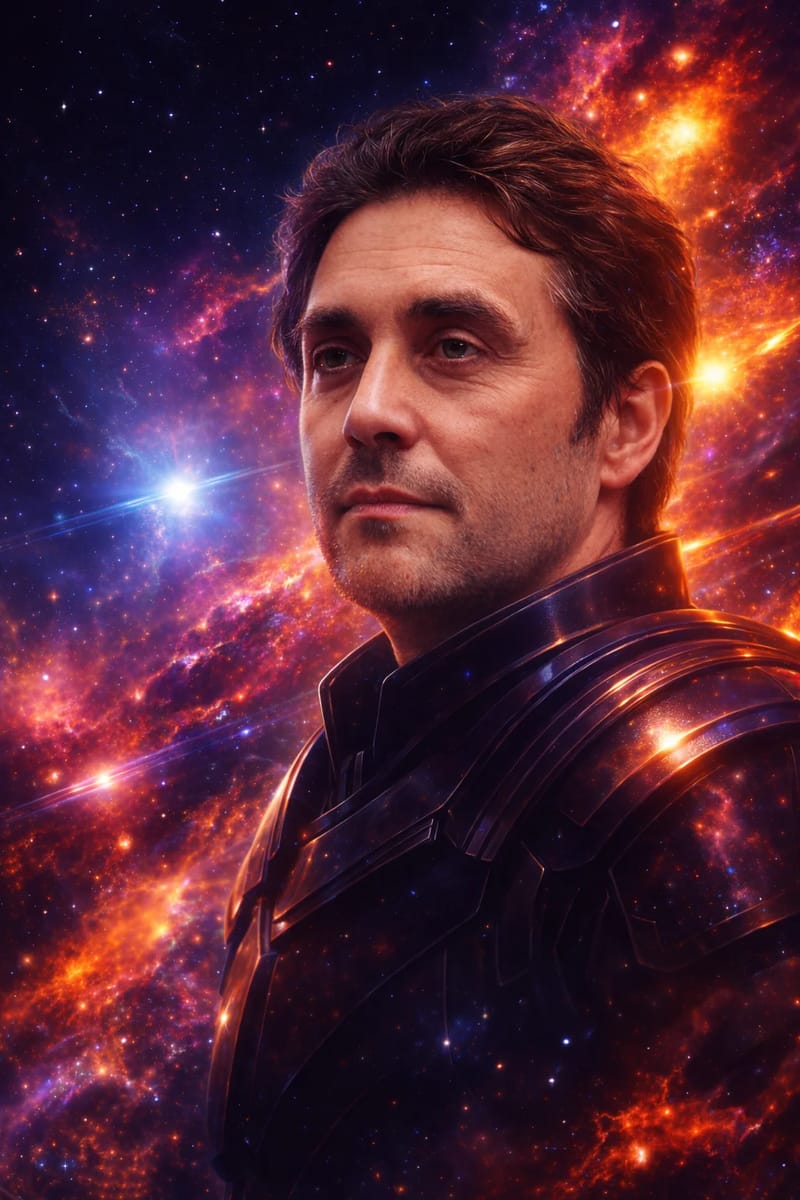
Chart a course across the galaxy. The 'Galactic Saga' style transforms your photo into a sweeping scene of epic space opera, complete with starships, nebulas, and cinematic grandeur.

Before
After
This style is inspired by the visual language of "space opera," a genre that treats the galaxy as a vast, romantic, and heroic stage. This aesthetic is distinct from "hard" science fiction; its primary goal is not scientific accuracy but epic, cinematic grandeur. It is the direct mythological descendant of high fantasy and grand historical epics, translating their themes of adventure, destiny, and vast conflicts into a futuristic, interstellar setting. The core philosophy is one of immense, breathtaking scale, contrasting the finite, heroic individual (or their starship) against the infinite backdrop of the cosmos.
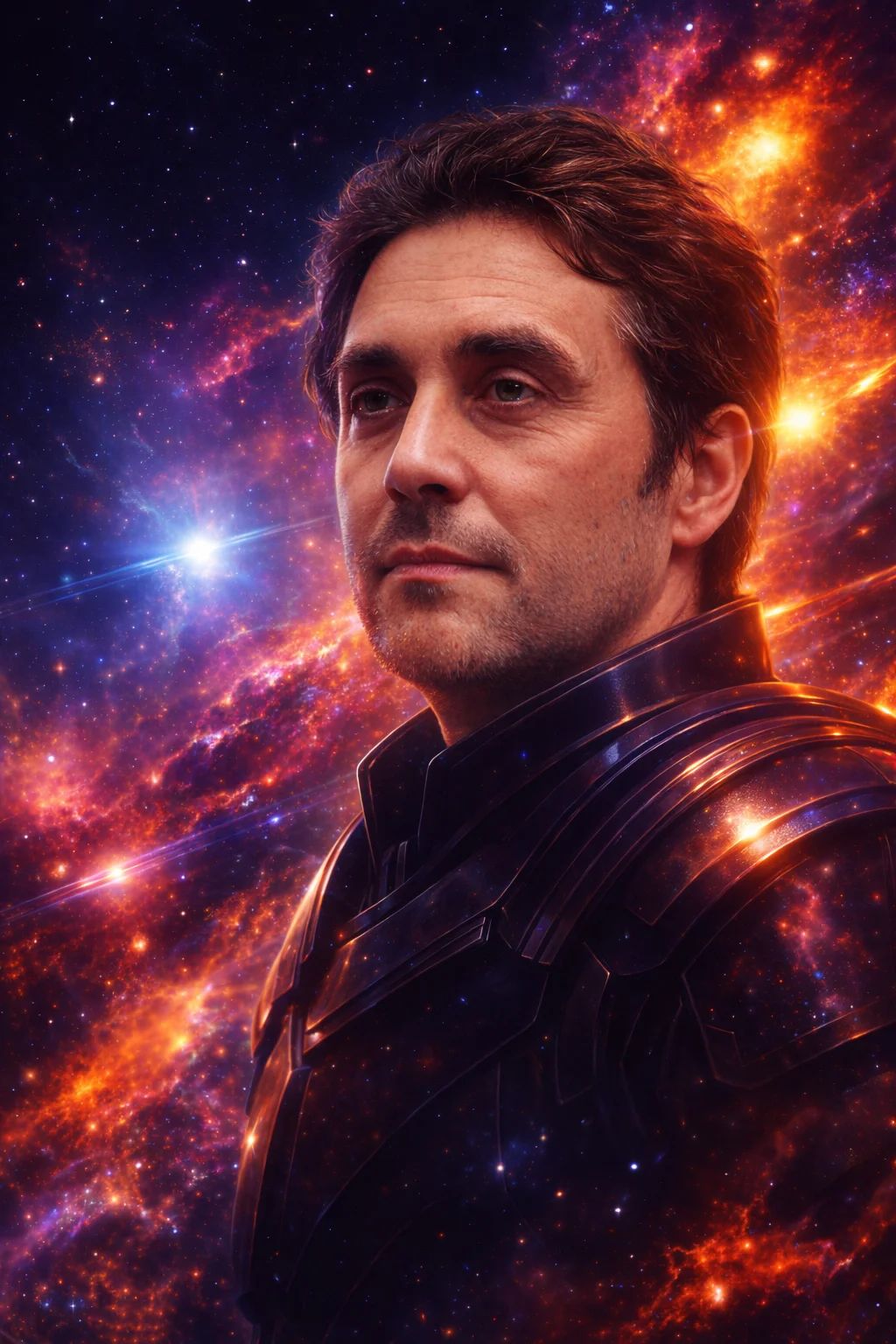
The 'Galactic Saga' style achieves this "chromatic" and cinematic feel through two key techniques. First, it rejects the true empty blackness of space in favour of a rich, painted backdrop. The void is filled with swirling, vibrant nebulas that act as sublime, colourful "landscapes" and celestial skies. Second, it deliberately employs the anamorphic lens flare. This optical artefact—the horizontal streak of blue light from a bright source—is not a natural phenomenon of space, but a technical signature of widescreen blockbuster filmmaking. Its inclusion is a conscious artistic choice, a signal that this is a cinematic event, lending a sense of epic, dramatic, and heroic grandeur to the scene.
1 credit per creation
Chart a course across the galaxy. The 'Galactic Saga' style transforms your photo into a sweeping scene of epic space opera, complete with starships, nebulas, and cinematic grandeur.
This style is inspired by the visual language of "space opera," a genre that treats the galaxy as a vast, romantic, and heroic stage. This aesthetic is distinct from "hard" science fiction; its primary goal is not scientific accuracy but epic, cinematic grandeur. It is the direct mythological descendant of high fantasy and grand historical epics, translating their themes of adventure, destiny, and vast conflicts into a futuristic, interstellar setting. The core philosophy is one of immense, breathtaking scale, contrasting the finite, heroic individual (or their starship) against the infinite backdrop of the cosmos.
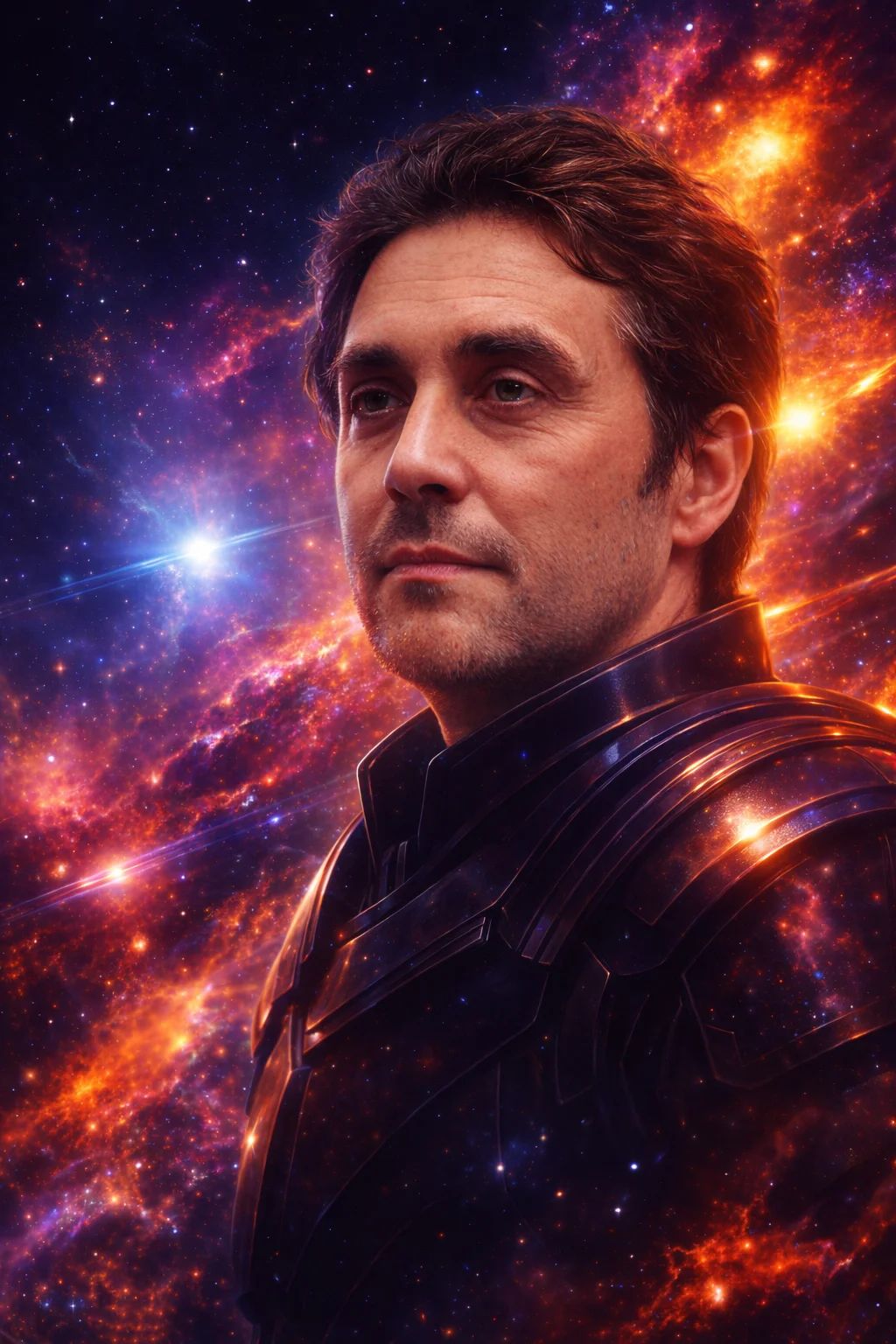
The 'Galactic Saga' style achieves this "chromatic" and cinematic feel through two key techniques. First, it rejects the true empty blackness of space in favour of a rich, painted backdrop. The void is filled with swirling, vibrant nebulas that act as sublime, colourful "landscapes" and celestial skies. Second, it deliberately employs the anamorphic lens flare. This optical artefact—the horizontal streak of blue light from a bright source—is not a natural phenomenon of space, but a technical signature of widescreen blockbuster filmmaking. Its inclusion is a conscious artistic choice, a signal that this is a cinematic event, lending a sense of epic, dramatic, and heroic grandeur to the scene.
Before
After
CollectionChromatic
Use Count1 credits
PublishedJun 21, 2025
Created by