Bit-Map Hero
1 credit per creation
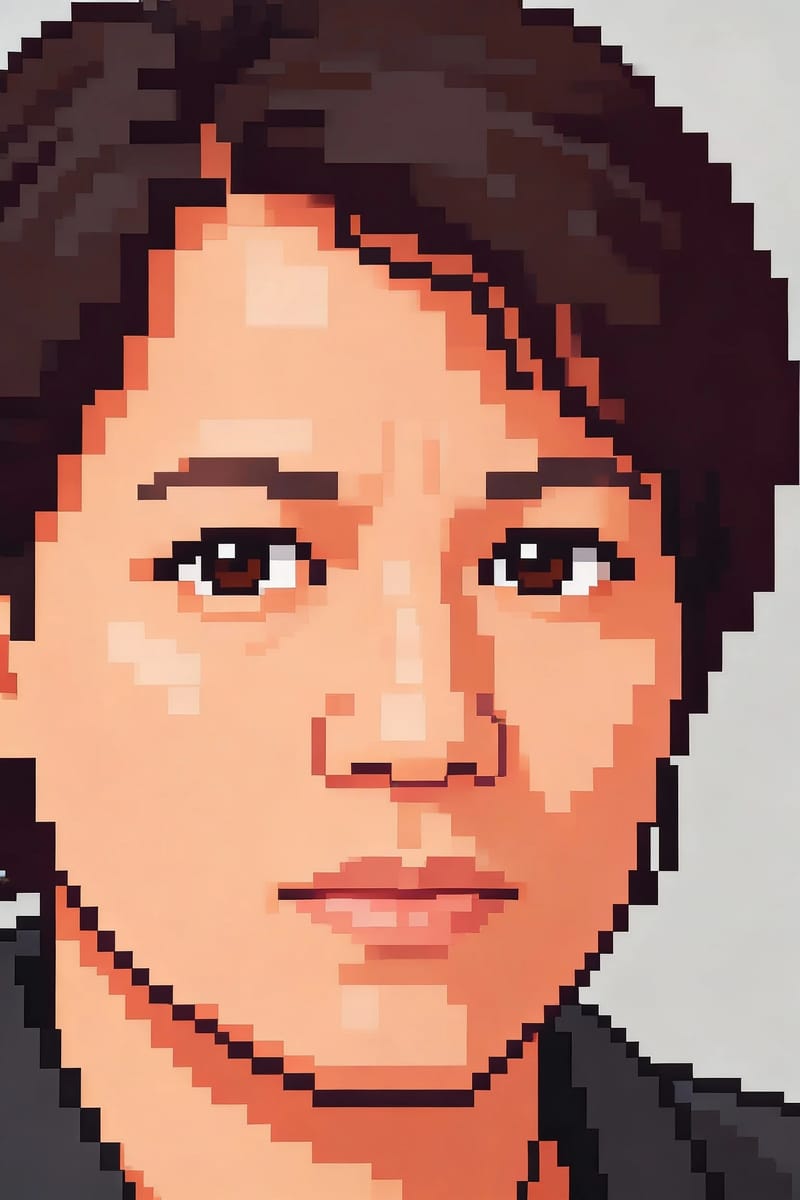
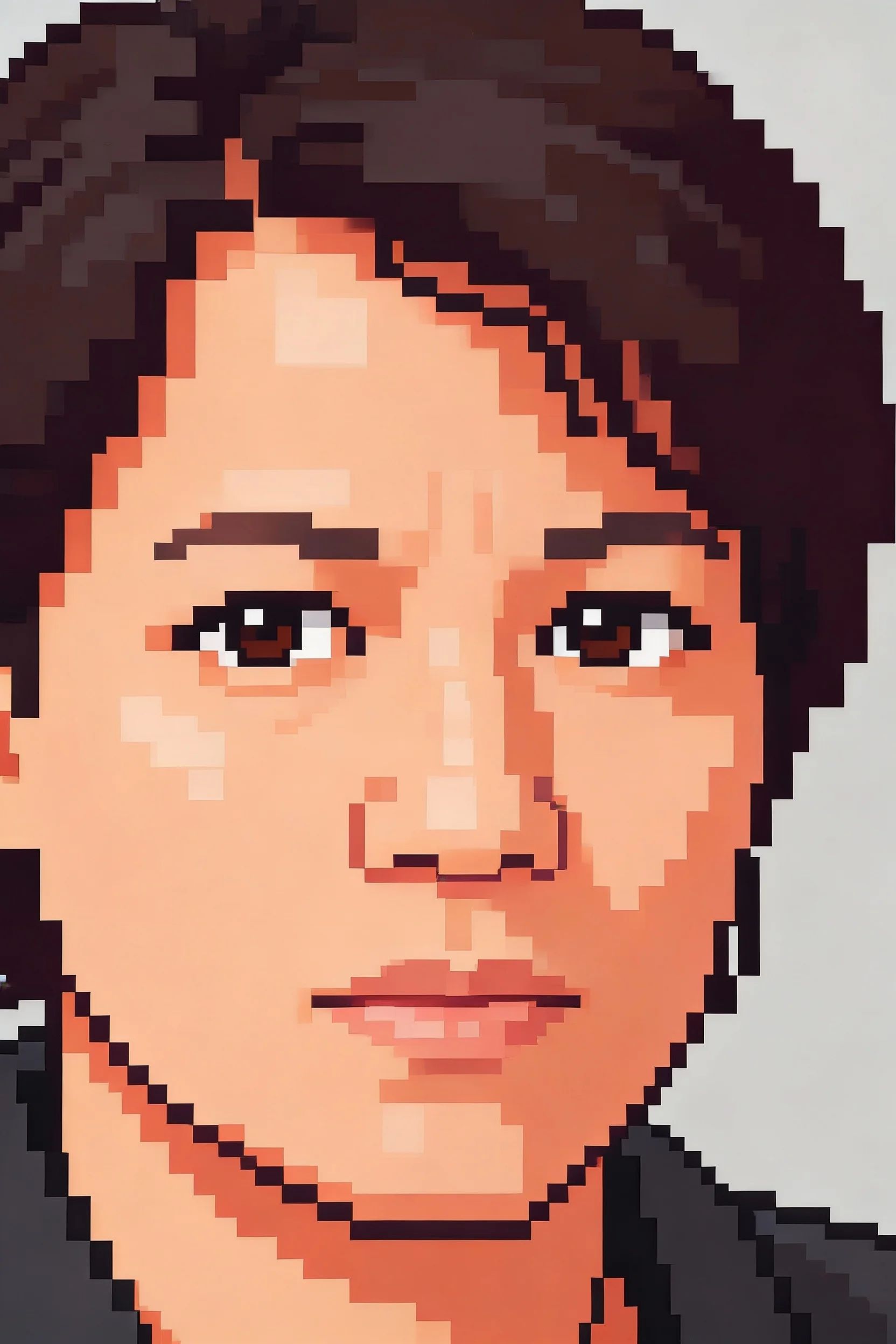
Press start to play. The Bit-Map Hero style redraws you as a classic video game sprite, transforming your photo into a vibrant, pixel-perfect masterpiece from the golden age of gaming.

Before
After
This style is a direct homage to the foundational craft of "pixel art," an aesthetic born from the severe, non-negotiable hardware limitations of the 8-bit and 16-bit gaming eras. A "bit-map hero" or "sprite" was not an abstract concept; it was a literal, one-to-one map of data in a console's extremely limited memory, where each "bit" of information corresponded to a single, visible pixel on a low-resolution screen. This was not an artistic choice, but a fundamental law of the technology.
The genius of this art form was creativity through constraint. Artists had to become masters of suggestion, creating iconic, expressive characters using only a tiny, rigid grid and a strictly limited colour palette (e.g., the 8-bit NES could only display 25 colours on screen at once from a total palette of 54). Every single pixel was placed with deliberate, surgical precision. Shading, curves, and expressions were not "rendered"; they were implied through clever colour placement and hand-drawn anti-aliasing. This style celebrates that mastery, deconstructing your photo into its most essential, "bit-mapped" components to build a bold, clear, and timeless sprite.
1 credit per creation
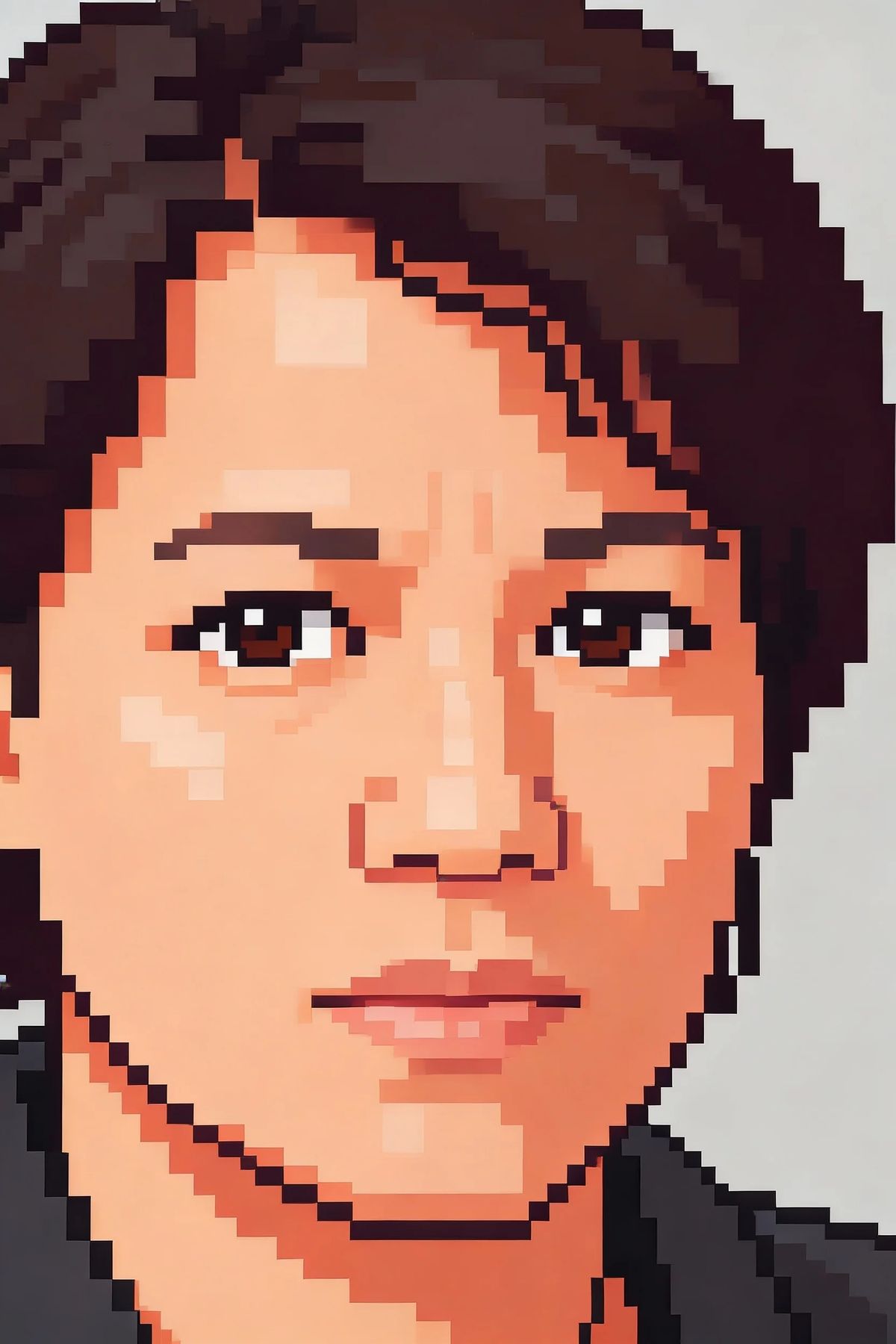
Press start to play. The Bit-Map Hero style redraws you as a classic video game sprite, transforming your photo into a vibrant, pixel-perfect masterpiece from the golden age of gaming.
This style is a direct homage to the foundational craft of "pixel art," an aesthetic born from the severe, non-negotiable hardware limitations of the 8-bit and 16-bit gaming eras. A "bit-map hero" or "sprite" was not an abstract concept; it was a literal, one-to-one map of data in a console's extremely limited memory, where each "bit" of information corresponded to a single, visible pixel on a low-resolution screen. This was not an artistic choice, but a fundamental law of the technology.
The genius of this art form was creativity through constraint. Artists had to become masters of suggestion, creating iconic, expressive characters using only a tiny, rigid grid and a strictly limited colour palette (e.g., the 8-bit NES could only display 25 colours on screen at once from a total palette of 54). Every single pixel was placed with deliberate, surgical precision. Shading, curves, and expressions were not "rendered"; they were implied through clever colour placement and hand-drawn anti-aliasing. This style celebrates that mastery, deconstructing your photo into its most essential, "bit-mapped" components to build a bold, clear, and timeless sprite.
Before
After
CollectionPixel
Use Count1 credits
PublishedJun 21, 2025
Created by