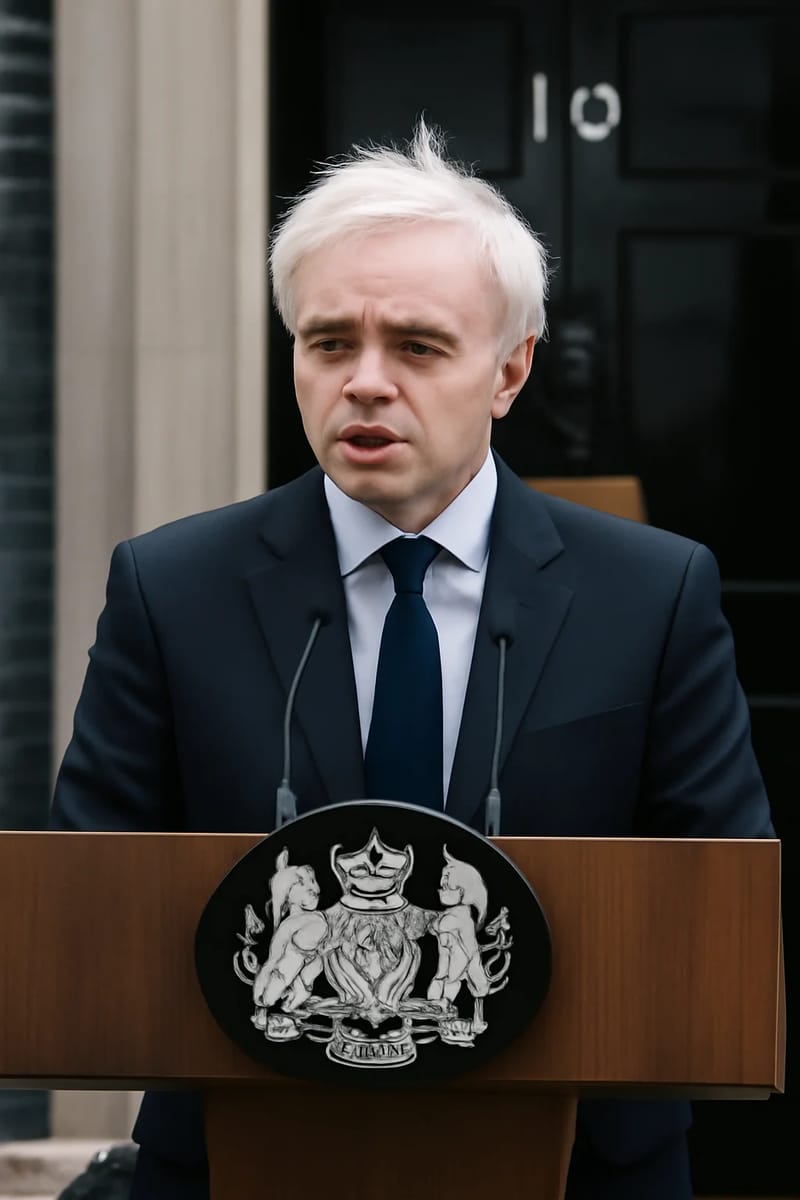
Number 10
1 credit per creation
A statement from Downing Street. The 'Number 10' style puts you at the centre of British politics, creating an official portrait at the iconic black door or in the halls of Westminster.
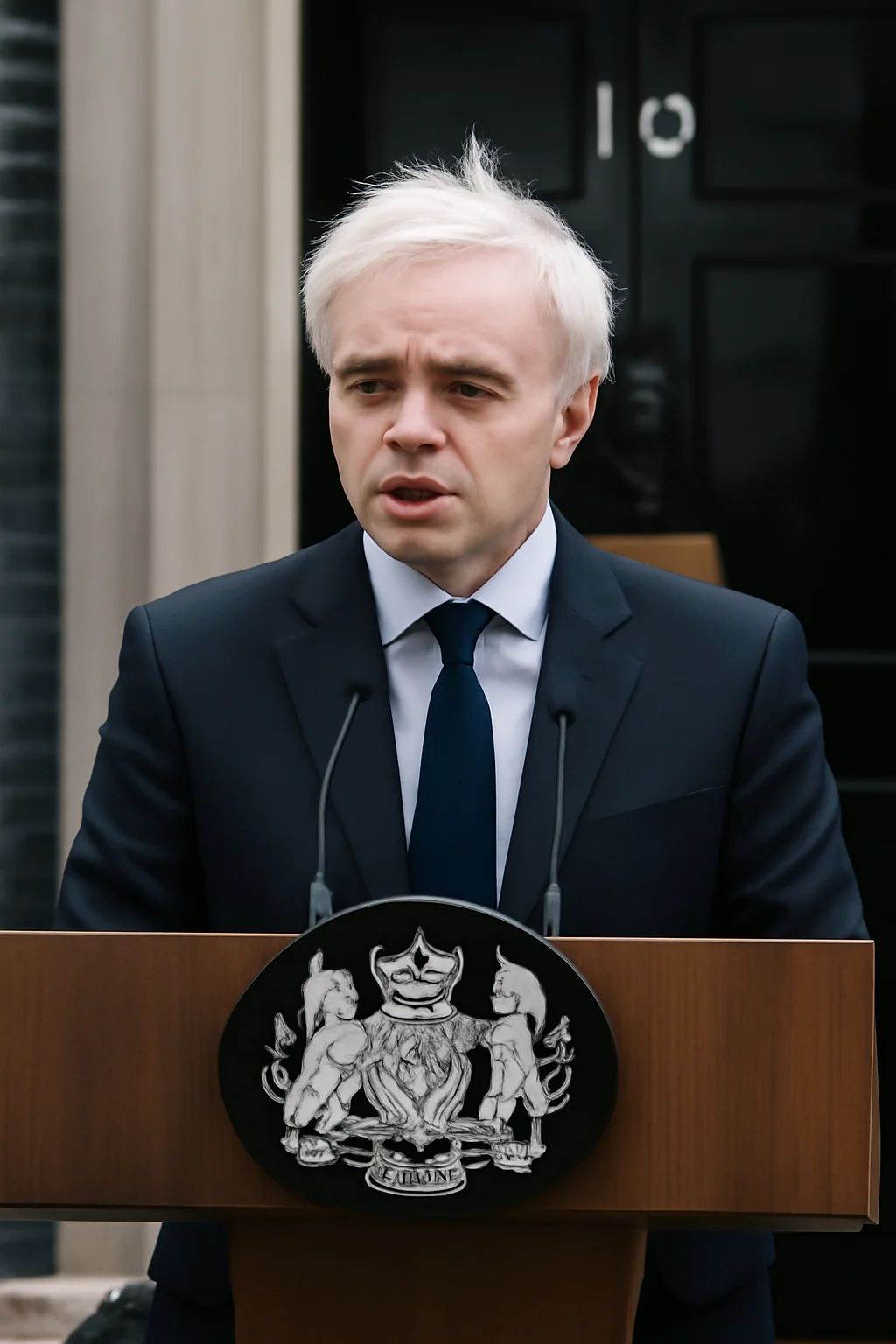
Before
After
This style is inspired by the unique, dual iconography of British political power. Unlike the singular, grand formalism of other executive offices, the British aesthetic is a public-facing synthesis of two distinct symbolic spaces. The first, and most famous, is the Number 10 door. This globally-recognised, deceptively modest Georgian facade is not a palace; it is a "threshold." Its symbolic power comes from its function as the visible intersection of public life (the press and the street) and private, executive decision-making. A portrait here is an act of public accountability and "getting on with the job"—it is the accessible, working face of the government.
The second symbolic space is the Palace of Westminster. This is the aesthetic of historical continuity and legislative authority. A portrait set within its historic, wood-panelled halls and neo-Gothic chambers serves a different function. It is not about the "now" of daily government, but about the gravitas of the institution; it visually anchors the individual in the centuries-old "Mother of Parliaments." The 'Number 10' style uses sober, formal lighting in both settings to project a sense of seriousness and control. By mastering this dual iconography—the accessible executive (Downing Street) and the historic legislature (Westminster)—this style creates a complete, formal, and distinctly British portrait of leadership.
1 credit per creation
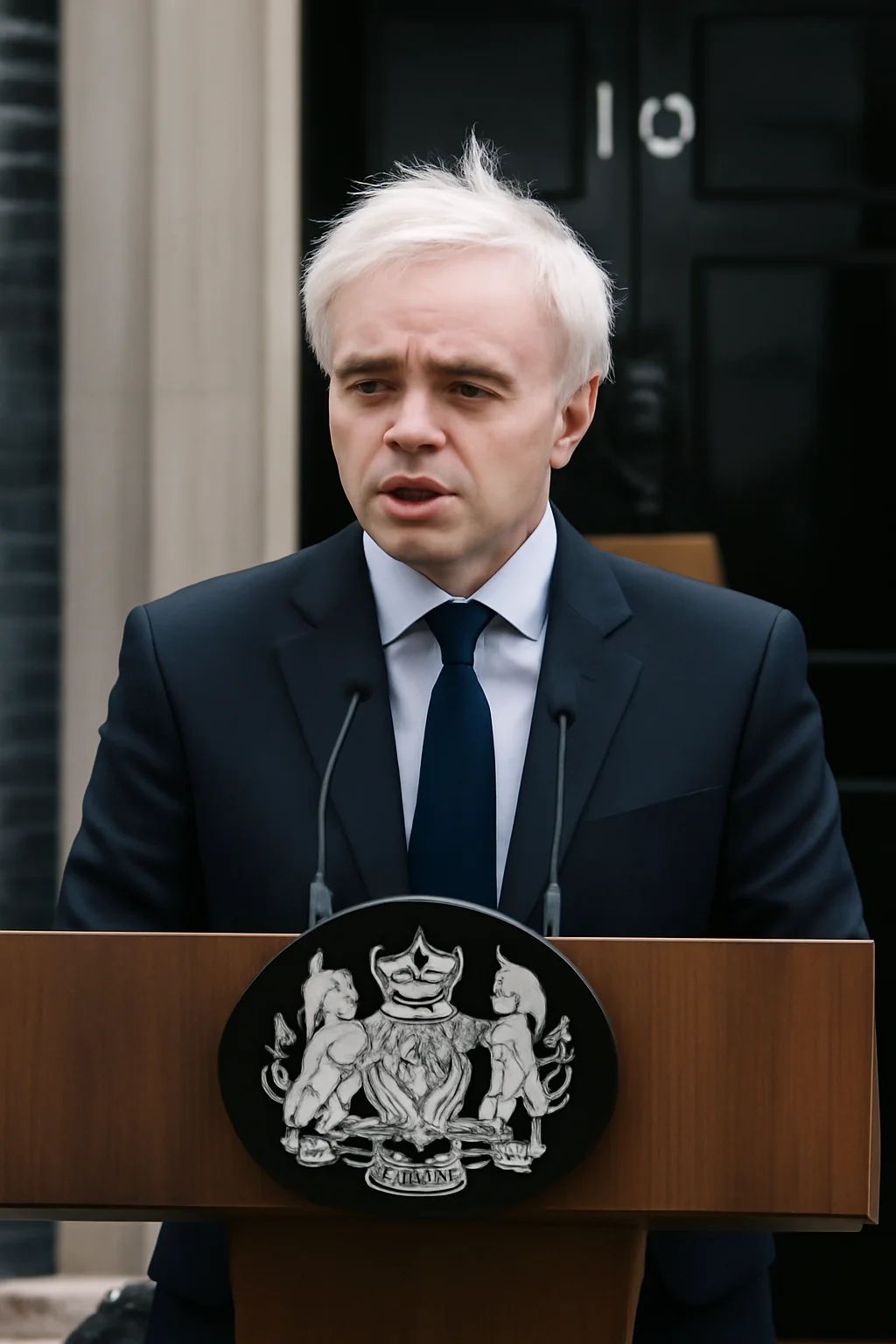
A statement from Downing Street. The 'Number 10' style puts you at the centre of British politics, creating an official portrait at the iconic black door or in the halls of Westminster.
This style is inspired by the unique, dual iconography of British political power. Unlike the singular, grand formalism of other executive offices, the British aesthetic is a public-facing synthesis of two distinct symbolic spaces. The first, and most famous, is the Number 10 door. This globally-recognised, deceptively modest Georgian facade is not a palace; it is a "threshold." Its symbolic power comes from its function as the visible intersection of public life (the press and the street) and private, executive decision-making. A portrait here is an act of public accountability and "getting on with the job"—it is the accessible, working face of the government.
The second symbolic space is the Palace of Westminster. This is the aesthetic of historical continuity and legislative authority. A portrait set within its historic, wood-panelled halls and neo-Gothic chambers serves a different function. It is not about the "now" of daily government, but about the gravitas of the institution; it visually anchors the individual in the centuries-old "Mother of Parliaments." The 'Number 10' style uses sober, formal lighting in both settings to project a sense of seriousness and control. By mastering this dual iconography—the accessible executive (Downing Street) and the historic legislature (Westminster)—this style creates a complete, formal, and distinctly British portrait of leadership.
Before
After
CollectionRefine
Use Count1 credits
PublishedJun 21, 2025
Created by