Oval Office
1 credit per creation
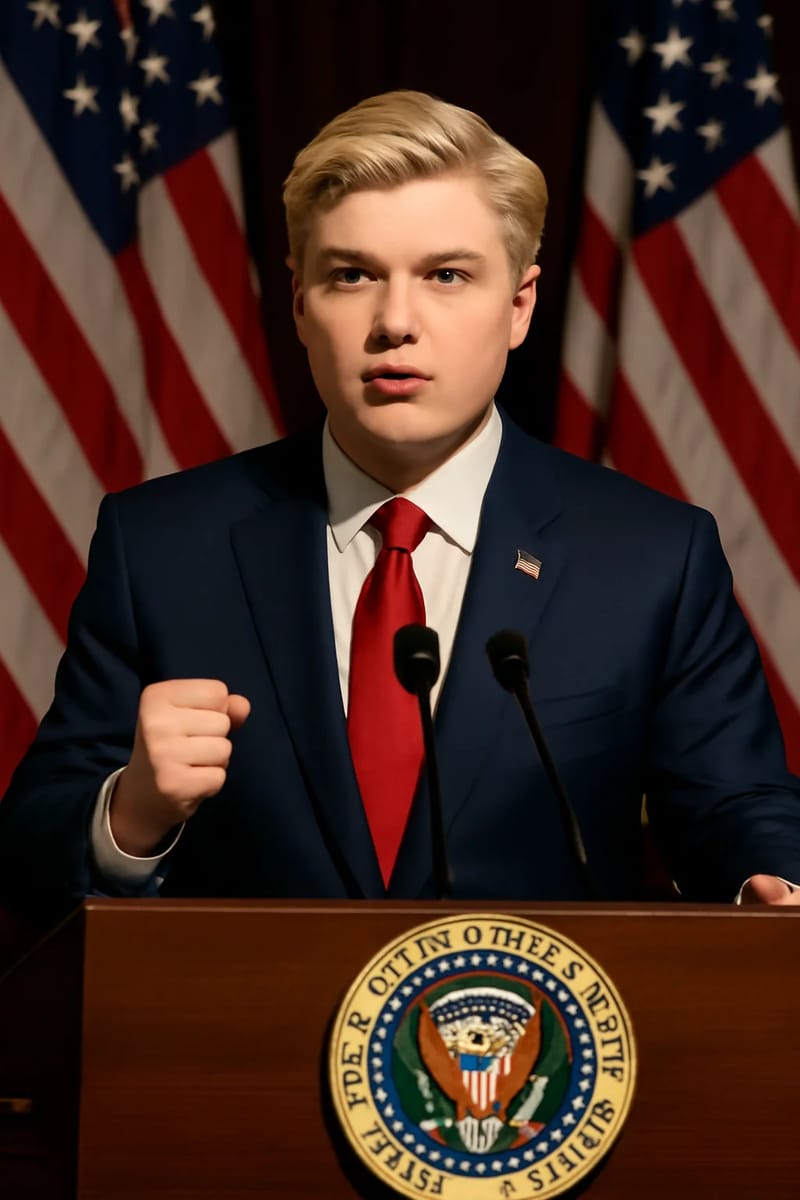
Hail to the Chief. The 'Oval Office' style places you at the heart of American power, creating a distinguished presidential portrait in the world's most famous political office.

Before
After
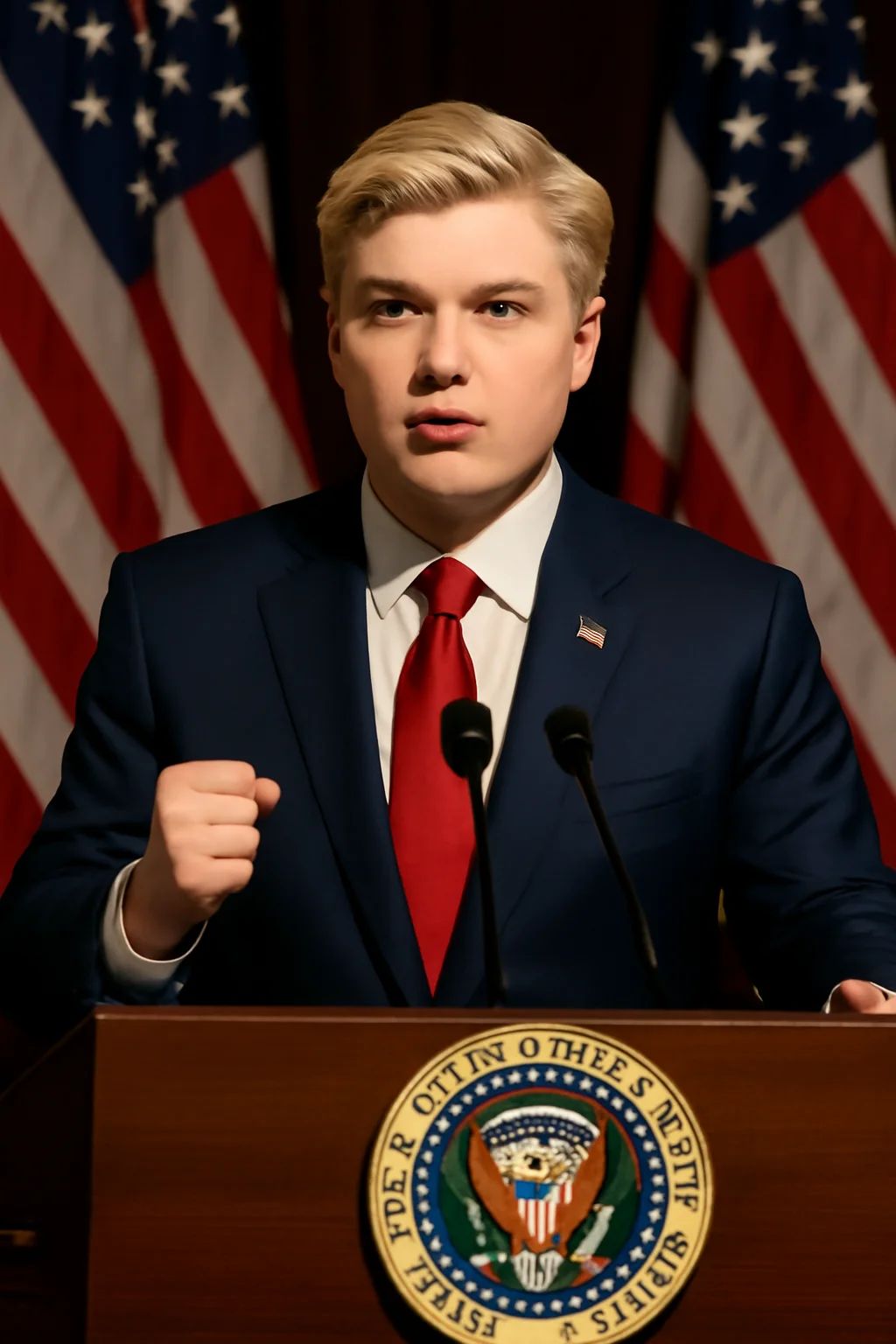
This style is inspired by the formal, institutional portraiture of executive power. Its philosophy is one of symbolic transference: the portrait's primary function is to visually merge the individual with the immense gravitas and historical continuity of the office they hold. The setting itself—the Oval Office—is the most potent symbolic environment in this composition. It is not merely a backdrop but a globally recognised stage for ultimate authority. Every element within it, from its distinct architecture to its specific furnishings, has been absorbed into a powerful, shared iconography of leadership and state power.
The 'Oval Office' style meticulously assembles the key components of this iconography. The formal attire is the non-negotiable uniform, signalling a sober-minded adherence to tradition and the seriousness of the role. The flags—typically the national flag and the personal standard of the office—are crucial signifiers, visually framing the subject with the full authority of the nation-state. Finally, the formal, clear lighting is a deliberate choice. It avoids dramatic shadows, instead opting for a bright, even illumination that projects clarity, control, and a sense of unwavering, open command. The result is not a personal photo, but a calculated, institutional document designed to project ultimate leadership.
1 credit per creation
Hail to the Chief. The 'Oval Office' style places you at the heart of American power, creating a distinguished presidential portrait in the world's most famous political office.
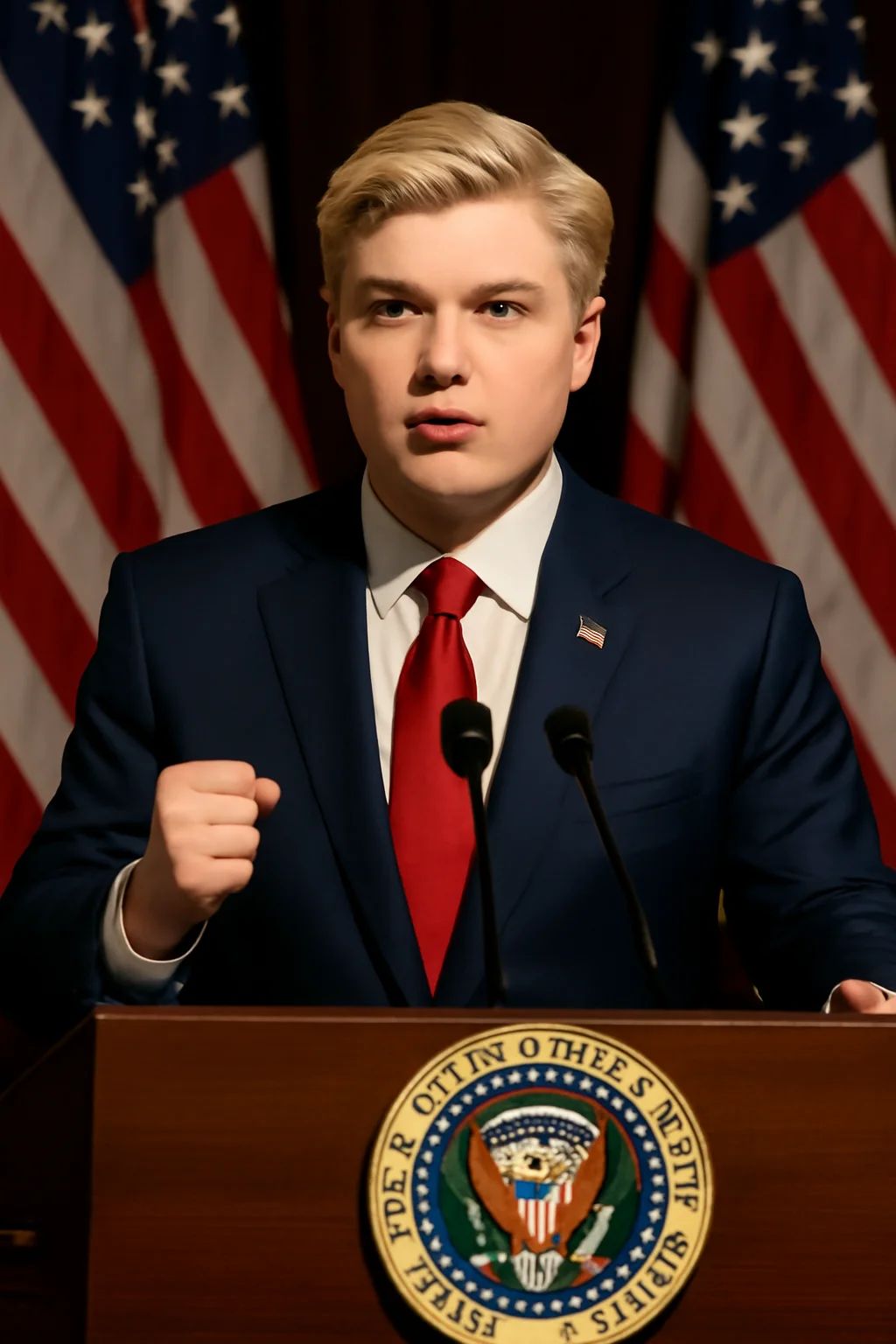
This style is inspired by the formal, institutional portraiture of executive power. Its philosophy is one of symbolic transference: the portrait's primary function is to visually merge the individual with the immense gravitas and historical continuity of the office they hold. The setting itself—the Oval Office—is the most potent symbolic environment in this composition. It is not merely a backdrop but a globally recognised stage for ultimate authority. Every element within it, from its distinct architecture to its specific furnishings, has been absorbed into a powerful, shared iconography of leadership and state power.
The 'Oval Office' style meticulously assembles the key components of this iconography. The formal attire is the non-negotiable uniform, signalling a sober-minded adherence to tradition and the seriousness of the role. The flags—typically the national flag and the personal standard of the office—are crucial signifiers, visually framing the subject with the full authority of the nation-state. Finally, the formal, clear lighting is a deliberate choice. It avoids dramatic shadows, instead opting for a bright, even illumination that projects clarity, control, and a sense of unwavering, open command. The result is not a personal photo, but a calculated, institutional document designed to project ultimate leadership.
Before
After
CollectionRefine
Use Count1 credits
PublishedJun 21, 2025
Created by