
⌘K
Iron Vow
1 credit per creation
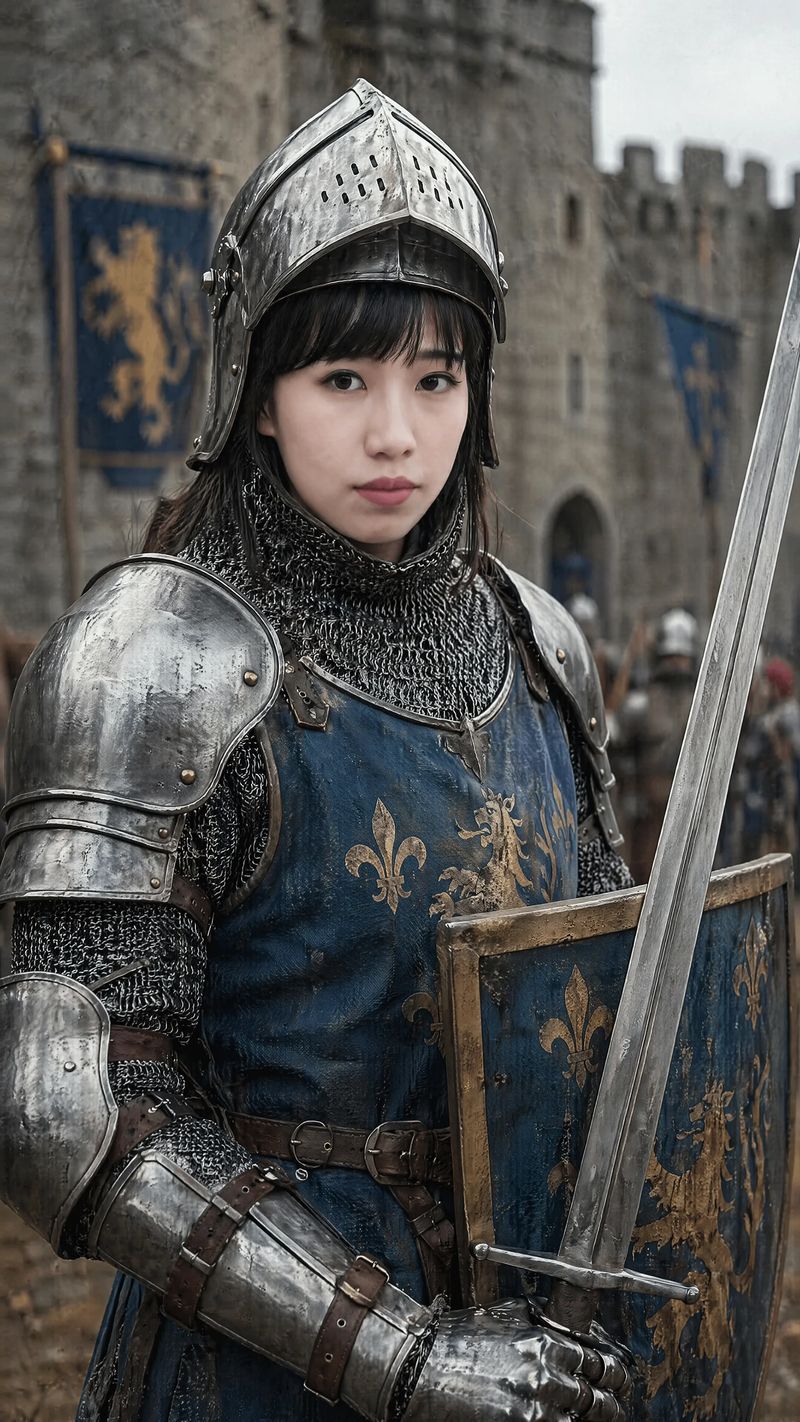
For honour and the crown. This style seals your iron vow, transforming you into a chivalrous knight of the realm, encased in shining plate armour and ready for the tournament or the battlefield.
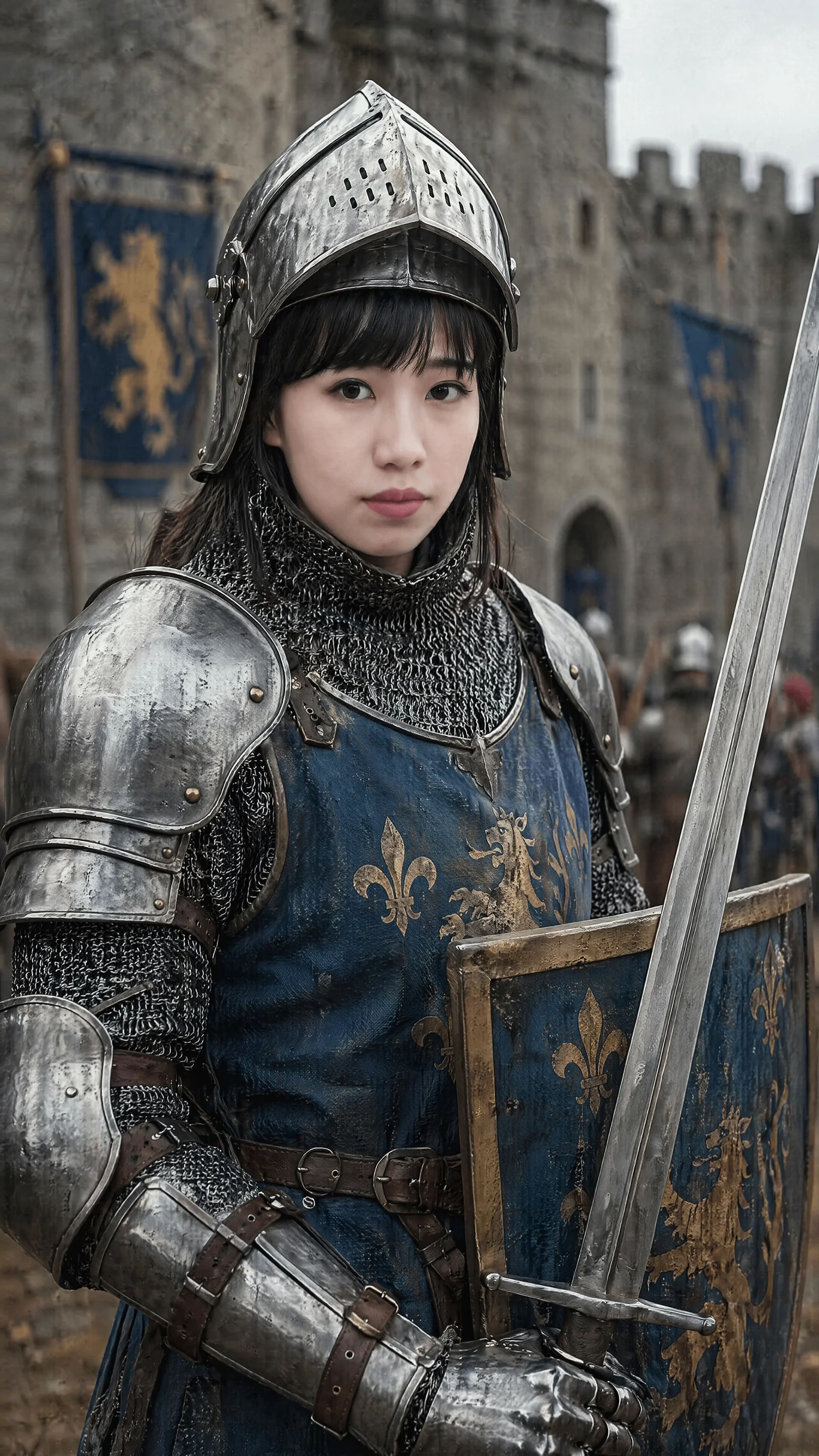

Before
After
Inspiration
This style is inspired by the martial and social aesthetic of the High Middle Ages. This was the period that saw the evolution of the knight from a simple, mail-clad horseman into a living symbol of the chivalric code. The "iron vow" of chivalry was a complex ideal that sought to bind a warrior's fearsome martial prowess to a moral framework of honour, piety, and feudal duty. The knight's appearance, therefore, became a direct visual statement of this professional and moral identity.
The 'Iron Vow' style is defined by two key elements. First, the full plate armour. This was the technological apex of personal defence, an articulated "exoskeleton" of steel that rendered the wearer all but invulnerable to many battlefield weapons. It was also an immense symbol of status, its polished surface a testament to the wealth and power required to commission it. Second, and just as crucial, is the heraldic surcoat. As armour became more concealing, the surcoat worn over it became the knight's primary mode of identification. Emblazoned with his unique coat of arms, it was a public declaration of his lineage, his allegiance, and his personal honour—a symbolic vow made visible for all to see.
You may also like
Community creations
1 credit per creation
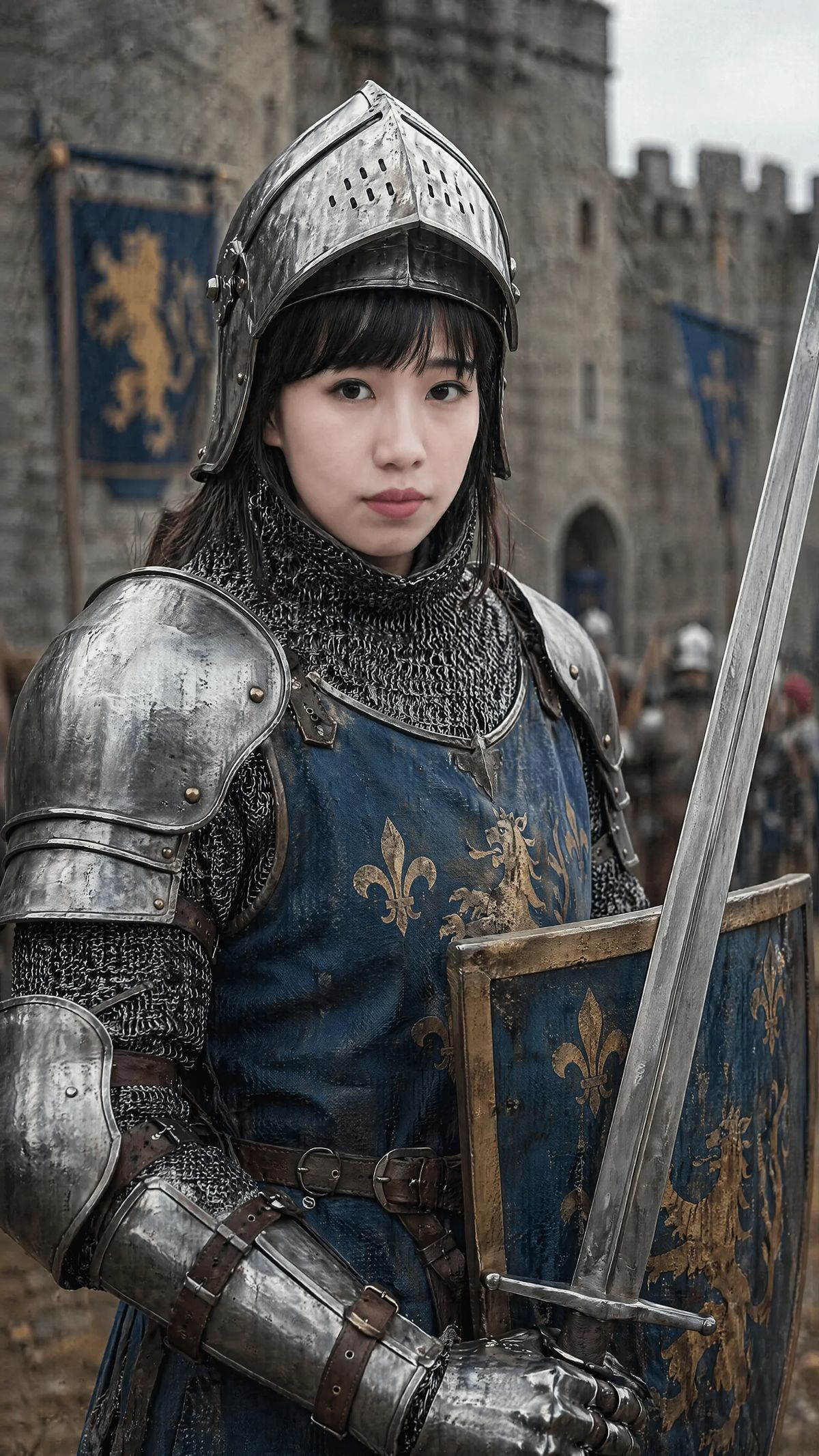
For honour and the crown. This style seals your iron vow, transforming you into a chivalrous knight of the realm, encased in shining plate armour and ready for the tournament or the battlefield.
Inspiration
This style is inspired by the martial and social aesthetic of the High Middle Ages. This was the period that saw the evolution of the knight from a simple, mail-clad horseman into a living symbol of the chivalric code. The "iron vow" of chivalry was a complex ideal that sought to bind a warrior's fearsome martial prowess to a moral framework of honour, piety, and feudal duty. The knight's appearance, therefore, became a direct visual statement of this professional and moral identity.
The 'Iron Vow' style is defined by two key elements. First, the full plate armour. This was the technological apex of personal defence, an articulated "exoskeleton" of steel that rendered the wearer all but invulnerable to many battlefield weapons. It was also an immense symbol of status, its polished surface a testament to the wealth and power required to commission it. Second, and just as crucial, is the heraldic surcoat. As armour became more concealing, the surcoat worn over it became the knight's primary mode of identification. Emblazoned with his unique coat of arms, it was a public declaration of his lineage, his allegiance, and his personal honour—a symbolic vow made visible for all to see.
Before
After
CollectionMythos
Use Count1 credits
PublishedJun 21, 2025
Created by
You may also like
Community creations