
⌘K
Nile Dynasty
1 credit per creation
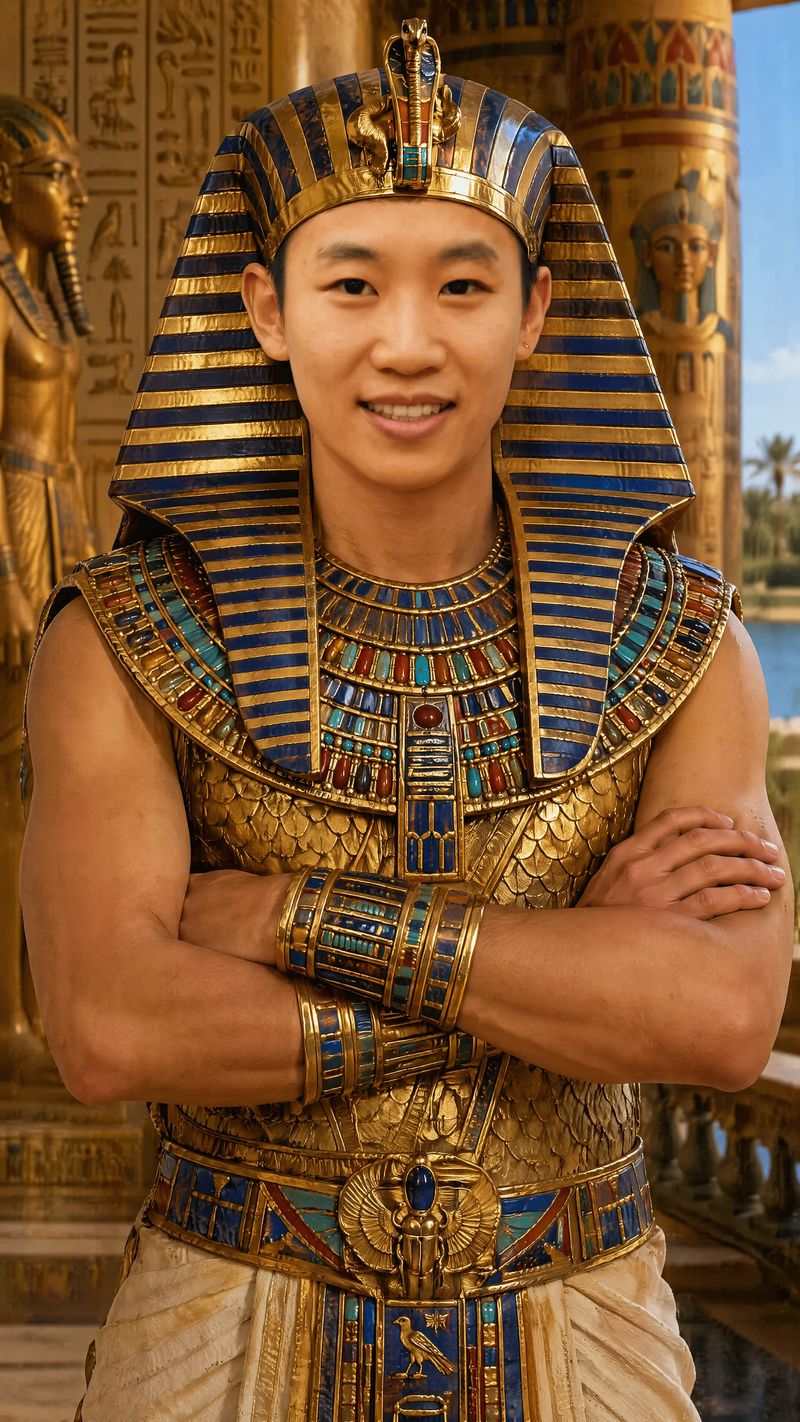
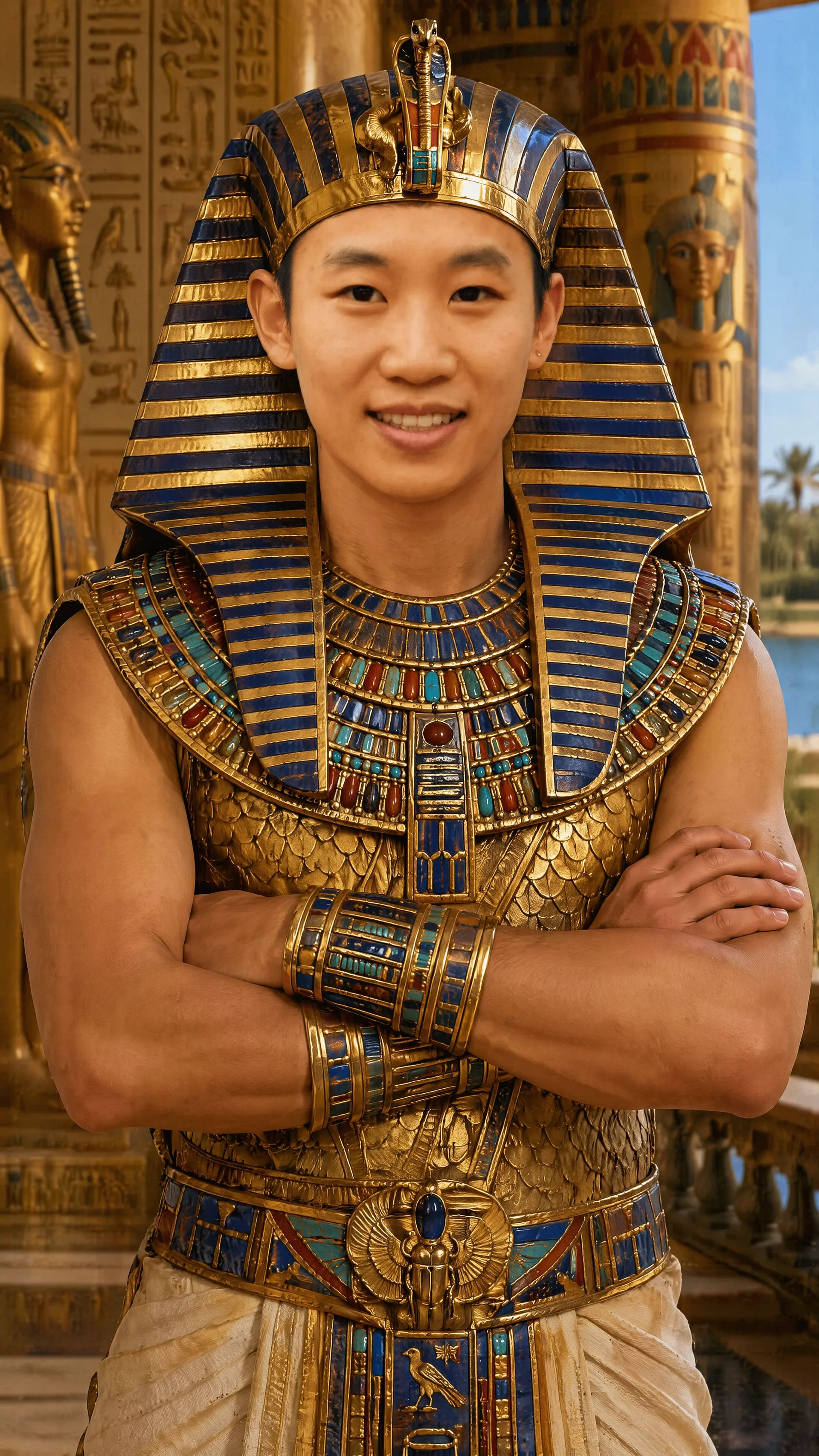
Rule as a living god. This style transforms you into the sovereign of a great Nile Dynasty, adorning you in the golden regalia and iconic headdress of an all-powerful Pharaoh.

Before
After
Inspiration
This style is inspired by the monumental, sacred art of Ancient Egypt. This visual language was not "art" in the modern sense of personal expression; it was a functional technology for upholding cosmic order, or Ma'at. Its primary purpose was not to capture a fleeting, realistic likeness, but to depict the eternal, divine essence of its subject. This is why Pharaonic art remained stylistically consistent for millennia: its rules were a sacred grammar for articulating power and ensuring eternity.
The 'Nile Dynasty' style applies this sacred grammar to your portrait. The regal, rigid pose and composite perspective (showing the body in its most complete, recognisable form) were deliberate choices to convey timelessness and superhuman status. The regalia are the core of this transformation. The Nemes headdress was an exclusive symbol of the Pharaoh's power, while the Usekh collar, a broad necklace of gold and precious stones, signified immense wealth and divine protection. Set against a temple backdrop of hieroglyphs—the literal "words of the gods"—this style does not just depict you in regalia; it uses this visual system to transform your portrait into an icon of divine authority, the living embodiment of a god on Earth.
You may also like
Community creations
1 credit per creation
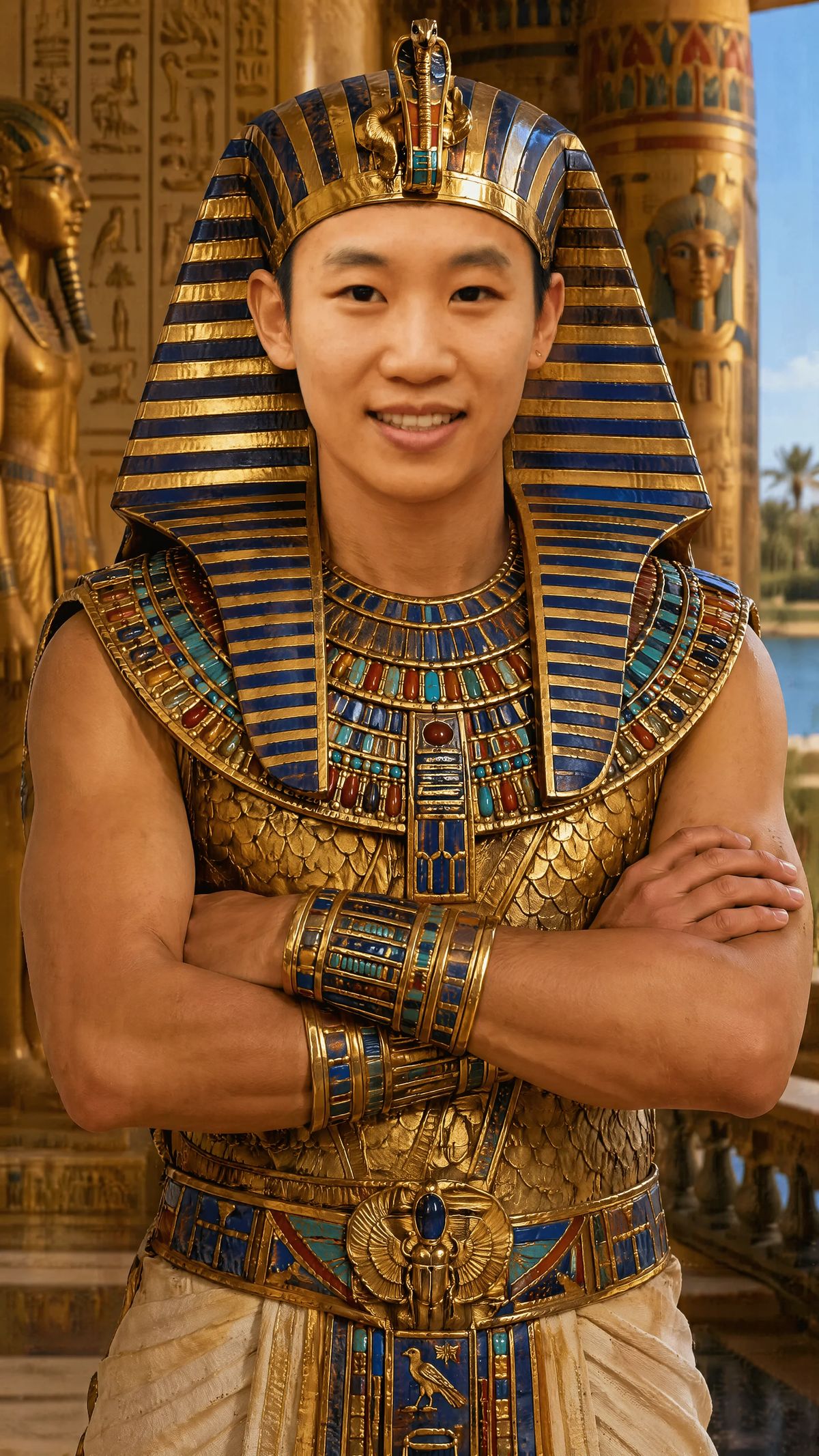
Rule as a living god. This style transforms you into the sovereign of a great Nile Dynasty, adorning you in the golden regalia and iconic headdress of an all-powerful Pharaoh.
Inspiration
This style is inspired by the monumental, sacred art of Ancient Egypt. This visual language was not "art" in the modern sense of personal expression; it was a functional technology for upholding cosmic order, or Ma'at. Its primary purpose was not to capture a fleeting, realistic likeness, but to depict the eternal, divine essence of its subject. This is why Pharaonic art remained stylistically consistent for millennia: its rules were a sacred grammar for articulating power and ensuring eternity.
The 'Nile Dynasty' style applies this sacred grammar to your portrait. The regal, rigid pose and composite perspective (showing the body in its most complete, recognisable form) were deliberate choices to convey timelessness and superhuman status. The regalia are the core of this transformation. The Nemes headdress was an exclusive symbol of the Pharaoh's power, while the Usekh collar, a broad necklace of gold and precious stones, signified immense wealth and divine protection. Set against a temple backdrop of hieroglyphs—the literal "words of the gods"—this style does not just depict you in regalia; it uses this visual system to transform your portrait into an icon of divine authority, the living embodiment of a god on Earth.
Before
After
CollectionMythos
Use Count1 credits
PublishedJun 21, 2025
Created by
You may also like
Community creations